Swargadari temple

Swargadari Temple
Quick Information:
| Location | Swargadwari, Pyuthan District, Nepal |
| Elevation | ~2,200 meters above sea level |
| Meaning | "Gateway to Heaven" in Sanskrit |
| Major Attractions | Main Temple Complex, Vedic Yagya Site, Cow Sanctuary |
| Spiritual Significance | Linked to the Pandavas and Swargadwari Mahaprabhu |
| Best Activities | Ritual participation, meditation, trekking, nature exploration |
| Local Communities | Predominantly Hindu, involved in temple maintenance |
| Accessibility | Road travel + trekking required |
| Routes | Kathmandu → Ghorahi → Pyuthan → Trek to Temple |
| Best Time to Visit | Kartik (Oct-Nov) & Baisakh (April-May) |
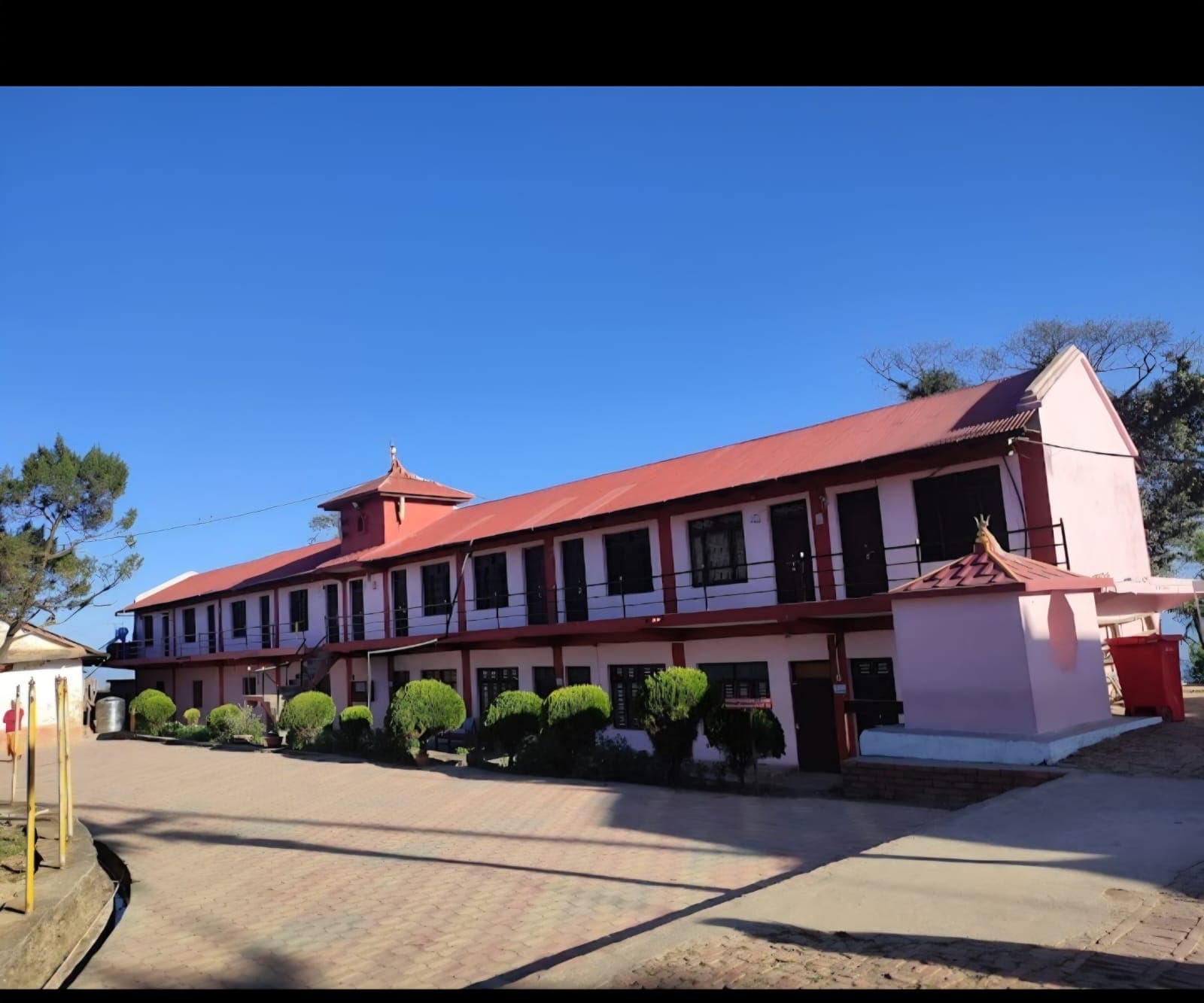
| Accommodation | Basic lodging near the temple, hotels in Pyuthan Bazaar |
| Entry Fee | No entrance fee, donations appreciated |
| Photography Rules | Allowed in outer areas, permission needed inside temple |
| Food Availability | Small eateries offering vegetarian meals |
| Family-Friendly | Yes, suitable for all age groups |
| Guided Tours | Local priests and residents provide insights |
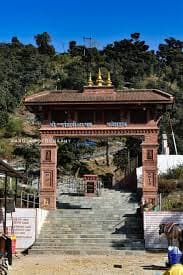
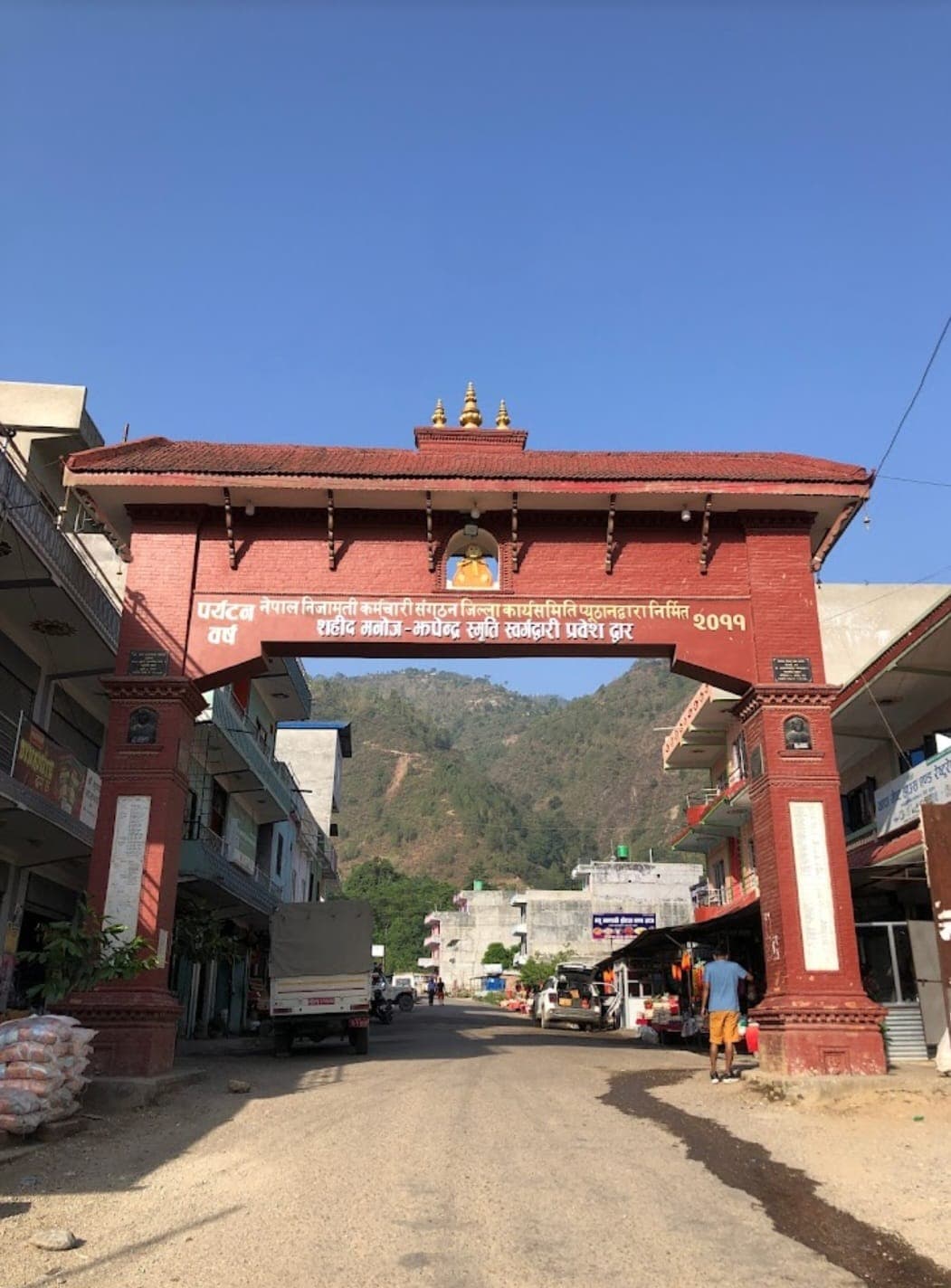
Swargadwari Temple, translating to "Gateway to Heaven," is a revered pilgrimage site perched atop a hill in the Pyuthan District of Nepal. This sacred destination holds immense significance in Hindu mythology and attracts devotees and tourists seeking spiritual solace and natural beauty.
Geographical Location of Swargadwari Temple
Situated approximately 26 kilometers west of Khalanga in Pyuthan, Swargadwari Temple rests at an altitude of 2,200 meters. Its elevated position offers panoramic views of the surrounding landscapes, providing visitors with a serene and tranquil environment.
History and Cultural Significance
Swargadwari is steeped in Hindu mythology. It is believed to be the site where the five Pandavas worshipped Lord Mahadev before their ascent to heaven during the Dwapara Yuga. Additionally, the temple is associated with Swargadwari Mahaprabhu, a saint who is said to have established the site and took samadhi (a state of meditative consciousness) there in 1940 AD.
Natural Beauty and Attractions
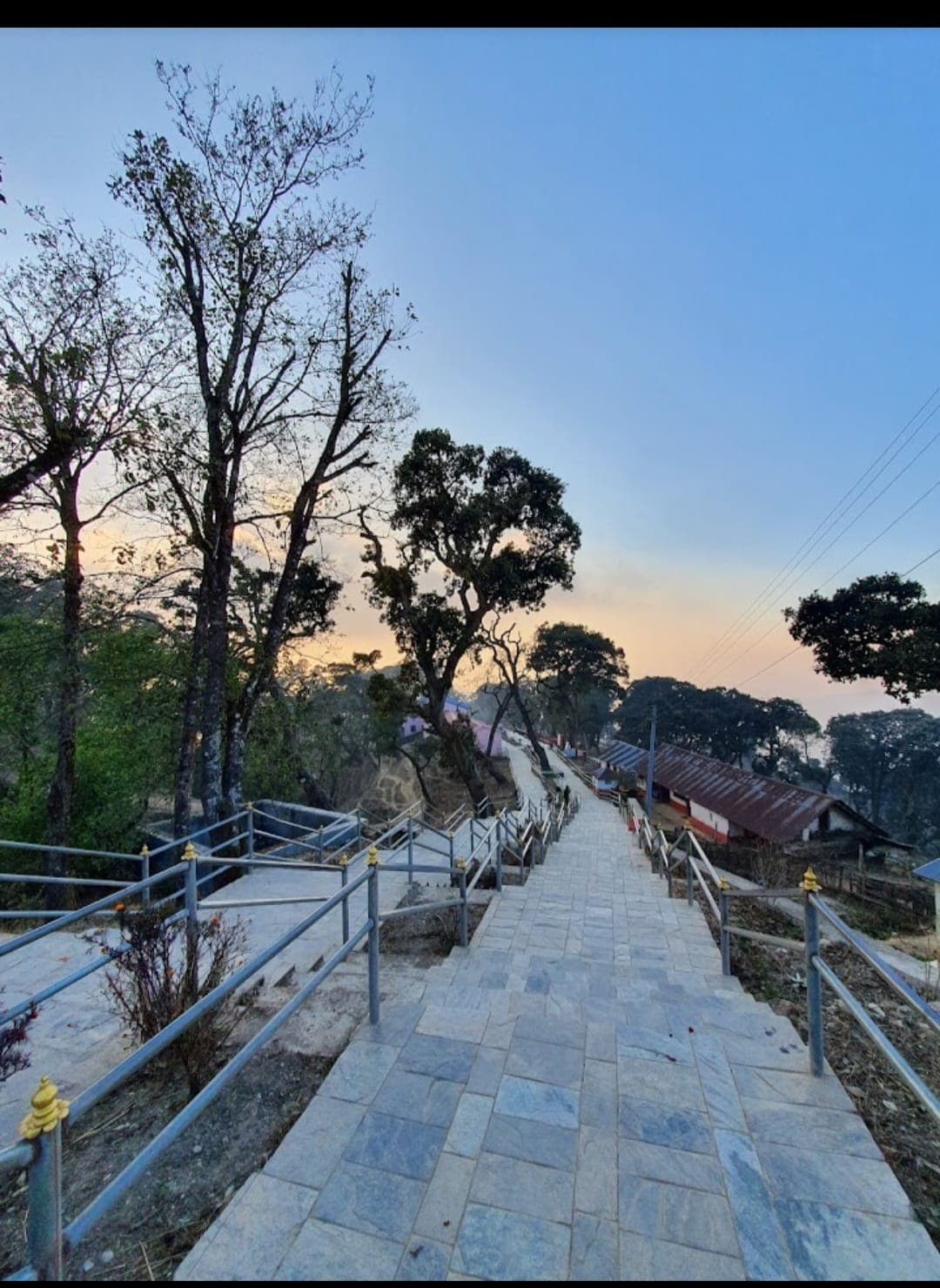
The temple's hilltop location provides breathtaking views of the Himalayan peaks, including Annapurna, Dhaulagiri, and Manaslu. The surrounding lush greenery and tranquil ambiance make it an ideal spot for meditation and reflection
Tourist Attractions in Swargadwari Temple
• Main Temple Complex: The central area where devotees gather for prayers and rituals.
• Vedic Yagya Site: A place where traditional Vedic rituals and fire sacrifices are performed, continuing the spiritual practices initiated by Swargadwari Mahaprabhu.
• Cow Sanctuary: Reflecting the sacred role of cows in Hinduism, the temple maintains a herd, emphasizing the site's religious significance.
Local Lifestyle and People
The local community around Swargadwari is predominantly Hindu, with residents deeply involved in maintaining the temple and its traditions. Visitors can experience authentic Nepalese hospitality and observe daily rituals and practices that have been preserved for generations.
Transportation and Connectivity
Reaching Swargadwari involves a combination of road travel and trekking:
• From Kathmandu: The journey begins with a drive to Ghorahi in the Dang District, which takes approximately 10 to 12 hours covering around 320 kilometers. From Ghorahi, local transport or hiking will take you up to the temple. Nepal Pilgrimage Tours
• From Dang District: Travelers can drive from Ghorahi, the district headquarters of Dang, to Bhingri in Pyuthan District. From Bhingri, it's a trek up to the temple. Code & Wilderness
• Alternative Route via Bhaluwang: Another option is to travel to Bhaluwang in Dang District, from where rides are available to Bhingri in Pyuthan District. From Bhingri, visitors can trek to Swargadwari.
By Road: Travelers can drive or take a bus from major cities like Kathmandu or Pokhara to Pyuthan. From Pyuthan's district headquarters, Khalanga, it's a 26-kilometer journey to the base of the hill.
Trekking: The final ascent to the temple requires a trek, offering pilgrims and tourists an opportunity to immerse themselves in the natural beauty of the region.
Best Time to Visit Swargadwari Temple
The ideal times to visit are during the Nepali months of Kartik (October-November) and Baisakh (April-May), aligning with major fairs and festivals at the temple. These periods offer pleasant weather and vibrant cultural experiences.
Things to Do in Swargadwari Temple
• Participate in Rituals: Engage in daily prayers and observe Vedic ceremonies.
• Meditation and Yoga: Utilize the serene environment for spiritual practices.
• Explore Surroundings: Trek around the temple to enjoy scenic views and connect with nature.
Accommodation and Lodging Options
Basic lodging facilities are available near the temple, catering primarily to pilgrims. For more comfortable accommodations, visitors may consider staying in Pyuthan Bazaar or nearby towns, which offer a range of hotels and guesthouses.
Swargadwari Temple stands as a testament to Nepal's rich spiritual heritage, offering visitors a unique blend of religious significance and natural beauty. Whether seeking spiritual enlightenment or a peaceful retreat amidst the Himalayas, Swargadwari provides an experience that resonates deeply with all who visit.
FAQs
Q: Is there an entrance fee for Swargadwari Temple?
A: No, there is no entrance fee; however, donations are appreciated to support the temple's maintenance.
Q: Are there guided tours available?
A: While formal guided tours may not be widely available, local priests and residents often share insights into the temple's history and significance.
Q: Is photography allowed within the temple premises?
A: Photography is generally permitted in the outer areas, but it's advisable to seek permission before capturing images inside the temple or during rituals.
Q: What should I wear when visiting the temple?
A: Modest attire is recommended, covering shoulders and knees, in respect of the religious customs.
Q: Are there food facilities available near the temple?
A: Yes, there are small eateries and stalls offering vegetarian meals and snacks suitable for pilgrims and visitors.
Location Map